1928
Shorty George gives it a name
At a Rockland Palace dance marathon, Shorty George Snowden and Mattie Purnell create Harlem’s Lindy Hop. The Shorty George step still bears his name.
Open profileA story that began on a dance floor in Harlem.

From the legends of the Savoy to today’s festivals. Scroll slowly: this story is yours too.
They brought the music. All that was missing was the floor.
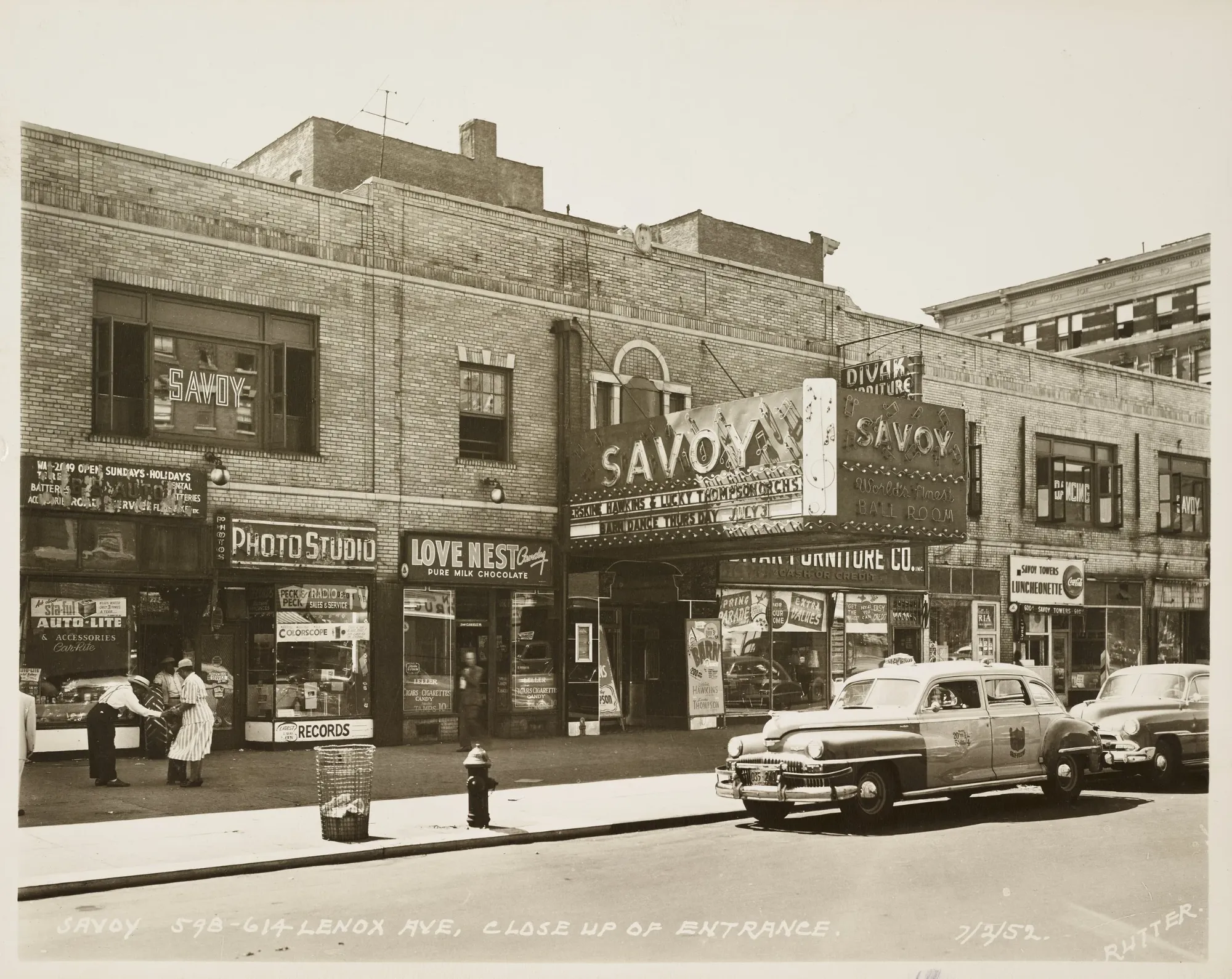
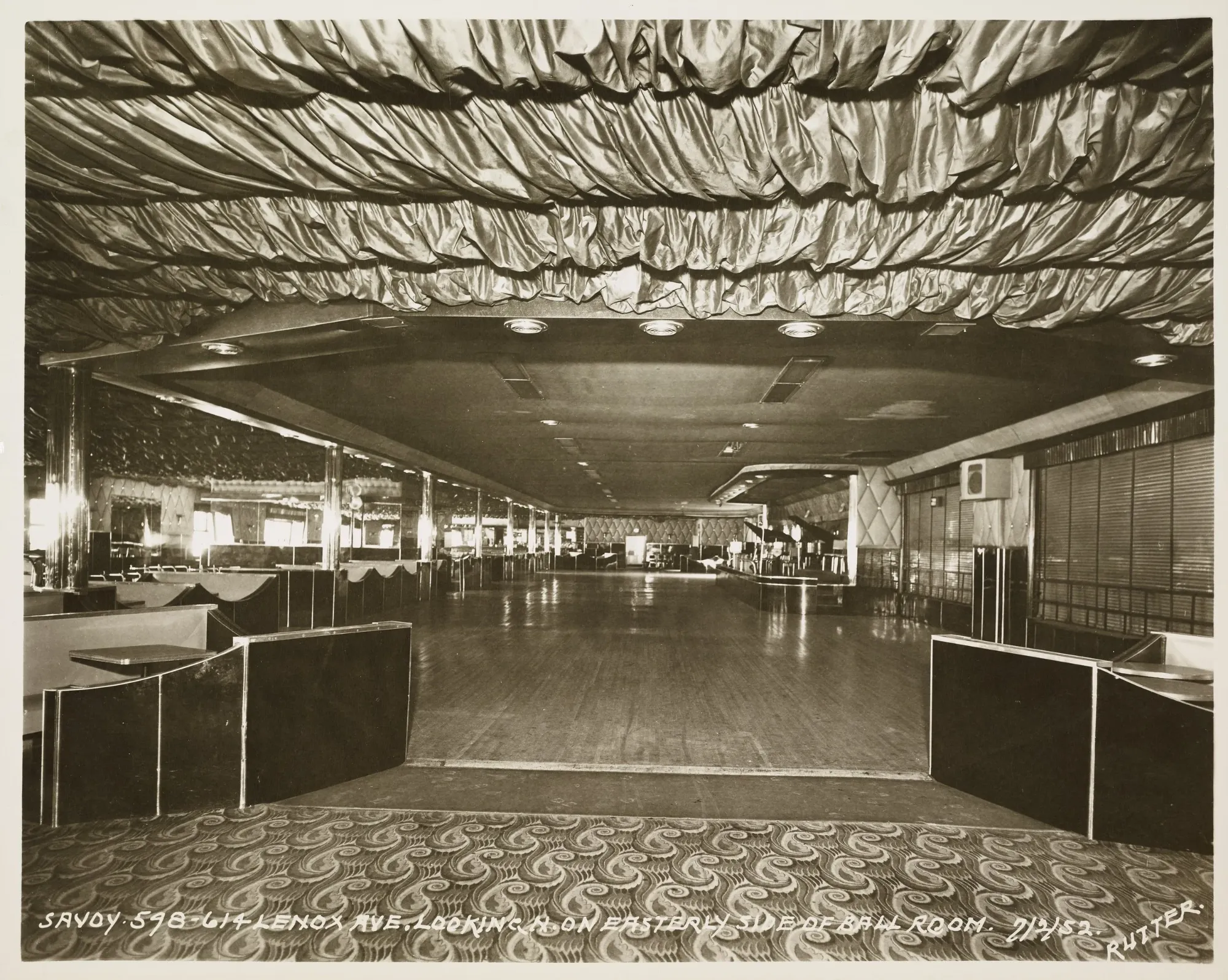

March 12, 1926
The Savoy Ballroom had two bandstands: when one orchestra stopped, the other started. The music never stopped, and neither did the dancing.
A neighborhood dance that, within fifteen years, had reached Hollywood, Europe and the cover of Life. Tap each wave.
Lindy Hop brought together what Harlem was already dancing: jazz, tap, the breakaway and the Charleston. At the Rockland Palace dance marathon in 1928, Shorty George Snowden and Mattie Purnell reinvented the breakaway almost by accident.
Context
Turn the dial: from the night the Savoy opened to today’s festivals, year by year. It plays on its own, but you can stop it and choose.
The legends
Four moments you can spot at any social dance today.
At a Rockland Palace dance marathon, Shorty George Snowden and Mattie Purnell create Harlem’s Lindy Hop. The Shorty George step still bears his name.
Open profileAt a Savoy contest, with Frieda Washington, he dances the first Lindy aerial: a back-to-back roll while Chick Webb’s orchestra plays “Down South Camp Meeting.”
Open profile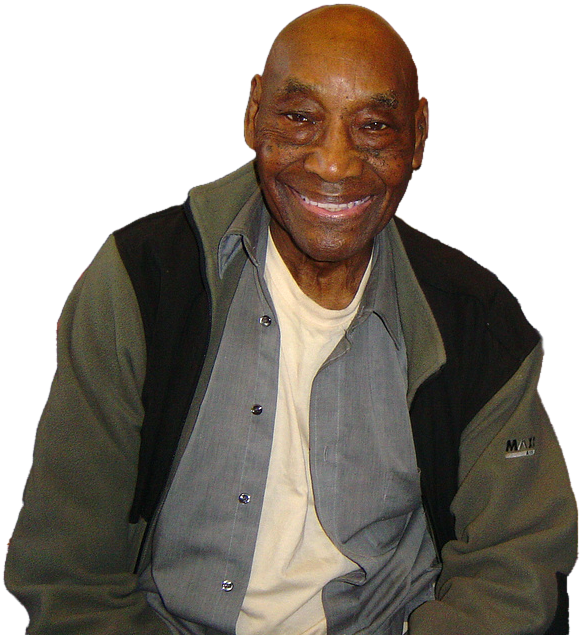
January 16: while Benny Goodman played Carnegie Hall, Chick Webb’s orchestra, with Ella Fitzgerald, battled Count Basie’s at the Savoy.
Open Chick Webb’s profileThe “Queen of Swing” grew up with her windows open onto the Savoy. In Hellzapoppin’ she’s the cook who goes flying with Whitey’s Lindy Hoppers.
Watch the scene on YouTube Open profile
Twenty-two names: who danced, who played and who opened the door. Pick one and step into their story.
Lenox Avenue, Harlem. Two bandstands, nonstop music
Who played on the bandstand and who danced on the floor. This is how Harlem’s Lindy traveled to the rest of the world.
1929
A Paramount short featuring a dance contest in Harlem: it’s considered one of the earliest filmed records of Lindy Hop.
The short includes blackface numbers typical of its time. Here we show only the dancing.
Find it on YouTube1929
An RKO short in which Duke Ellington’s orchestra plays from start to finish.
1937
A Marx Brothers film for MGM, featuring the number “All God’s Chillun Got Rhythm.”
The choreographer, Dave Gould, was nominated for an Oscar for this number.
Find it on YouTube
1939
Its dance scenes were rereleased in 1943 as the short Jittering Jitterbugs, the one on the poster.
1941
The most famous Lindy scene in film: leaps, slides, kicks, splits and aerials.
1942
A soundie: a musical short made for jukeboxes with screens. It’s preserved by the Library of Congress.
1943
A morale-boosting film for the troops, set in the New York club where soldiers danced before shipping out. It’s in the public domain.
1948
A musical revue with an African American cast. It’s in the public domain.
1947
A feature film with an African American cast, starring Cab Calloway.
In 1935, no one filmed the dance floor. This is how a dancer got famous back then, and how it would happen today.
You were seen by whoever was in the room that night: at the Savoy, up to 4,000 people.
Took: That nightWhat happened at the Savoy was passed along on Harlem street corners and at the next night of dancing.
Took: DaysThe Harvest Moon Ball took Whitey’s Lindy Hoppers to Madison Square Garden in 1935. In 1938 it was hosted by Ed Sullivan.
Took: Once a yearRadio carried the bands across the country: the crowd at the Palomar, in Los Angeles, already knew Benny Goodman from Let’s Dance, an NBC program.
Took: WeeksNewspapers like the New York Age and magazines like Life. William P. Gottlieb borrowed a press camera to illustrate his jazz column.
Took: WeeksNewsreels before the feature, Hollywood and soundies: three-minute musical shorts on some 5,000 jukeboxes with screens.
Took: Months or yearsWhat wasn’t filmed nearly vanished.
For decades, Lindy survived in a few minutes of film and in the memories of those who danced it. In 1984, three Swedes from The Rhythm Hot Shots crossed the Atlantic to find the original dancers: the films weren’t enough. Today every festival can tell its story as it happens, and keep it.
Rewind
When swing went out of fashion, Lindy nearly disappeared. In 1986, Erin Stevens and Steven Mitchell sought out Frankie Manning to teach them. From 1989 on he taught every summer in Herräng, Sweden, and the dance crossed the ocean once again.
REC ● BACK ON THE FLOOR

A social dance at a Lindy camp, 2023.
Today
That Harlem dance floor gave rise to festivals all over the planet. Social Swing is the community that brings them together: you find where to dance, save festivals and see what happened at them.
The directory of swing festivals, with the dates you care about.
Search festivalsFestival videos, dance clips, interviews and playlists.
Watch Social Swing TVWhatsApp and Telegram channels, a Facebook group and an email newsletter.
Join Social SwingFor organizers
You send us your festival’s Reels and information, ready to publish. We coordinate the promotion on Instagram, Facebook and our community, even if we can’t attend.
Put your festival on the map
Launch price. One-time payment, taxes included.
Boost your pass sales
Launch price. One-time payment, taxes included.
With you through your whole festival
Launch price. One-time payment, taxes included.
The launch price applies only to the first campaign of the first three festivals to sign up, three in total. After that: 149 €, 349 € and 599 €. Before you pay, we confirm the festival, price and schedule by email. See everything included and the terms.
Your festival’s standard listing on Browse Festivals is free, subject to review.
Add my festival for freeThey film, edit and publish original content with you. Tell us what you can cover and we’ll put together a proposal.
Request an in-person proposalWe agree on quantities, channels and budget before we start.
Write to partners@socialswing.blogIn 1926, all it took was a dance floor in Harlem. Today, your festival can reach dancers all over the world.